
Let’s be honest — Paris can be a culinary minefield. For every genuinely great bistro tucked down a cobblestone side street, there are at least three tourist traps serving microwaved duck confit to people who don’t know any better. If you’ve made the trip to Paris specifically to eat real French food, this guide is for you.
We’re not talking Michelin-starred temples where a meal costs as much as your flight. We’re talking about the kind of places Parisians actually go — worn leather banquettes, handwritten menus, a carafe of house wine that doesn’t require a mortgage. Here’s where to find them.

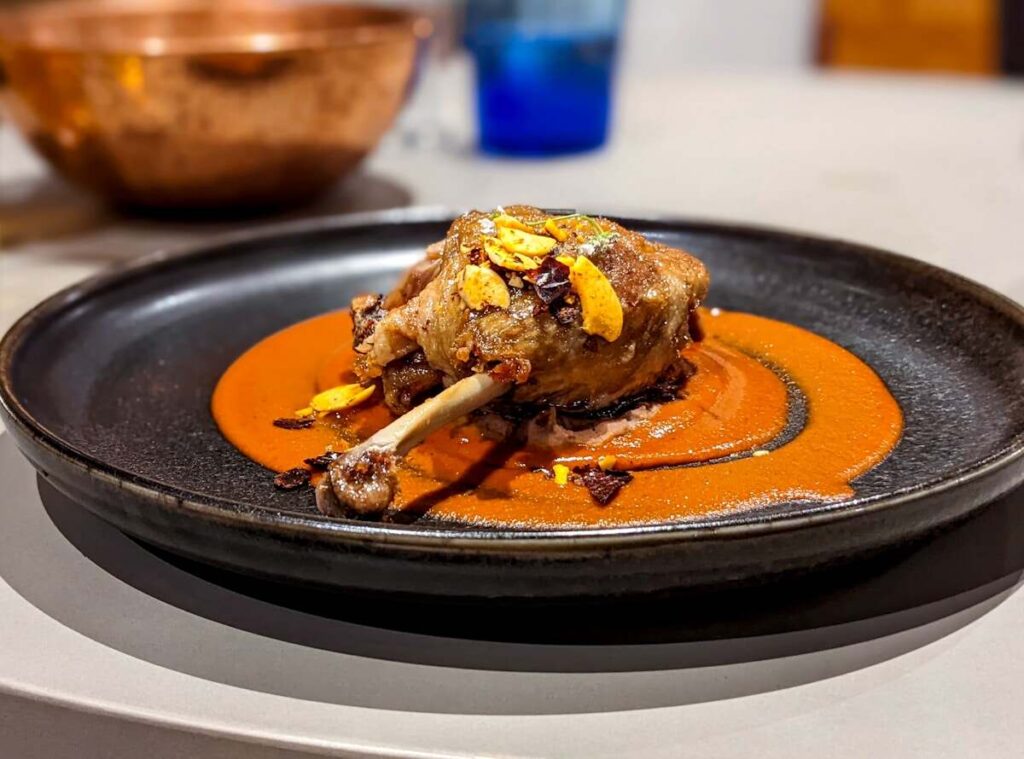
What Makes a French Restaurant Actually “Authentic”?
Before diving into specific addresses, it’s worth pausing on what authentic even means. A lot of restaurants in Paris look the part — checkered tablecloths, old posters on the walls — but serve food that’s been simplified or sweetened for international tastes. A genuinely traditional French restaurant typically:
- Changes its menu seasonally (or even daily) based on market availability
- Serves classic dishes like steak tartare, blanquette de veau, or sole meunière without irony or “modern twists”
- Has a wine list focused almost entirely on French regions
- Feels like it’s been there forever — because it probably has
With that in mind, here are some neighborhoods and restaurants worth knowing about.
Le Comptoir du Relais — Saint-Germain-des-Prés
This place has a bit of a reputation, and for good reason. Chef Yves Camdeborde runs what is essentially a neighborhood bistro during the week and a full sit-down dinner service on weekends. The lunchtime formula is casual and affordable; the evening menu is more serious. Either way, the food is rooted in southwestern French cooking — think generous portions, rich sauces, and ingredients that clearly came from somewhere that wasn’t a supermarket freezer aisle.
Be warned: reservations for weekend dinner are notoriously hard to get, and the lunch queue can stretch down the rue de l’Odéon. Go early or be prepared to wait. It’s worth it.
Chez L’Ami Jean — 7th Arrondissement
If you only eat at one place in Paris, make it here. Stéphane Jégo’s restaurant near the Invalides is everything a French bistro should be — loud, packed, slightly chaotic, and serving food that makes you want to cancel your return flight. The Basque-influenced menu rotates regularly, but the riz au lait dessert (a kind of creamy rice pudding served in a massive communal bowl) has become legendary.
This is not a quiet, romantic dinner spot. Tables are close together, the kitchen is open and audible, and your neighbors will probably end up in your conversation by the end of the meal. That’s the point.

Au Boeuf Couronné — La Villette
Most tourists never make it out to the 19th arrondissement, which is exactly why this place still feels genuinely local. Situated near the old slaughterhouse district of La Villette, Au Boeuf Couronné has been serving exceptional meat dishes since the early 20th century. If you want to understand why the French take beef seriously, order the côte de boeuf here. It arrives the way it should — simply seasoned, properly rested, with frites that are actually crispy.
The decor is gloriously old-fashioned: mirrors, brass fixtures, aproned waiters who move with the quiet efficiency of people who have been doing this for decades. Very few tourists end up here, which is half the appeal.
Allard — Saint-Germain
Opened in 1931 and still operating from the same corner in Saint-Germain, Allard is one of those restaurants that seems almost immune to trends. The menu reads like a greatest hits of classic French cooking: escargots de Bourgogne, canard aux olives, tarte tatin. It’s been through various ownership changes over the decades but has largely held onto its identity as a serious, traditional bistro.
This is a good option if you want something a bit more comfortable and polished without veering into full fine-dining territory. The wine list is strong, the service is attentive, and the room itself — all dark wood and vintage prints — is genuinely beautiful.
Le Bouillon Pigalle — Pigalle
Bouillons are a specifically Parisian institution worth knowing about. Originally worker’s canteens from the late 19th century, they served affordable, hearty French food to ordinary Parisians. Le Bouillon Pigalle revived this concept a few years back and has been packed every single day since.
The menu is classic: oeuf mayo, pot-au-feu, profiteroles. The prices are genuinely reasonable by Paris standards. You don’t make reservations — you queue, you sit wherever they put you (sometimes sharing a table with strangers), and you eat well. It’s noisy, it’s fun, and it’s about as close as you’ll get to understanding what French everyday dining used to look like.
A Few Practical Tips Before You Go
Navigating Paris restaurants as a tourist involves a few unwritten rules that are worth knowing:
- Lunch is almost always better value. Most bistros offer a formule at lunch — typically a starter and main, or main and dessert — at a fixed price that’s significantly cheaper than dinner.
- Avoid anywhere with photos on the menu. This is a near-universal rule and holds up surprisingly well.
- Don’t rush. A French meal is not a transaction. If you need to be somewhere in 45 minutes, eat a sandwich.
- Bread is free; water is tap (ask for une carafe d’eau). You don’t need to order bottled water unless you want to.
- Reservations matter. Most of the places on this list fill up fast, especially Thursday through Saturday evenings. Book ahead wherever possible.
Neighborhoods Worth Wandering for Spontaneous Finds
Sometimes the best meals happen accidentally. A few areas of Paris still have a high density of genuinely local restaurants worth wandering through:
- Rue Montorgueil (2nd arrondissement) — a bustling market street with several old-school bistros and food shops
- Oberkampf and Ménilmontant (11th arrondissement) — more locals than tourists, younger crowd, solid traditional options alongside newer places
- Batignolles (17th arrondissement) — feels like a village, rarely visited by tourists, good neighborhood restaurants that aren’t performing for anyone
Skip the tourist menus near the Eiffel Tower. Take the metro a few extra stops. Eat somewhere that makes you feel like a local, even for an evening.